
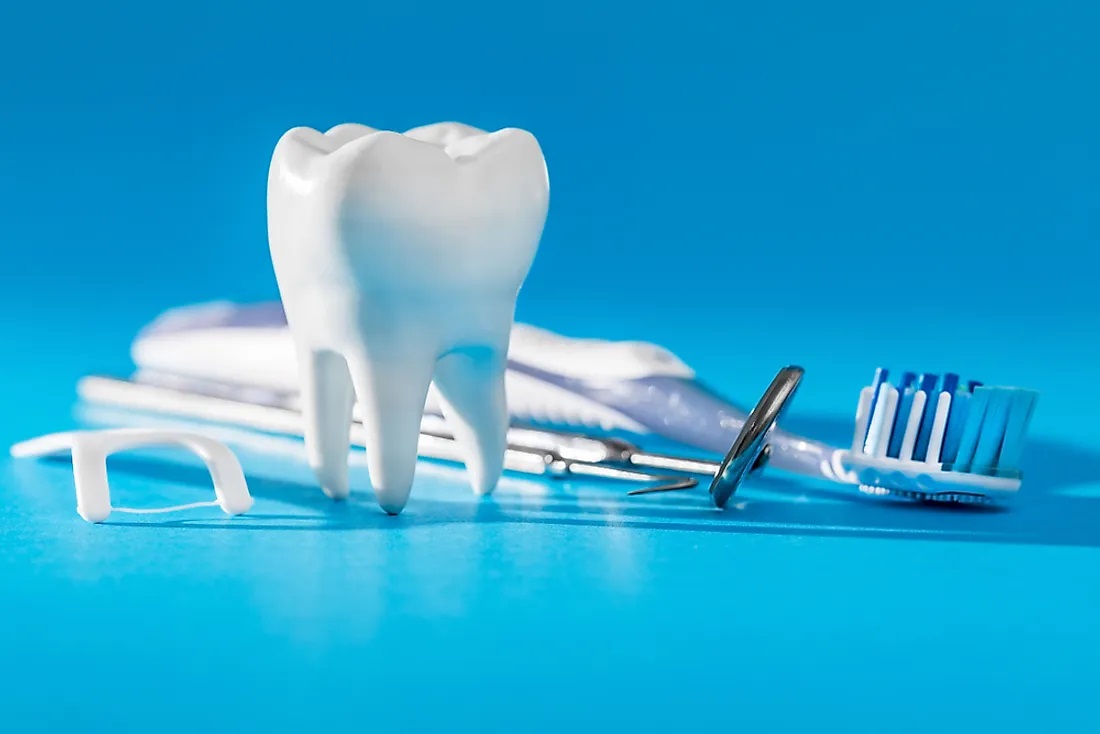
Looking for high-quality dental care at an affordable price? Look no further than Egypt! With its proximity to most European countries, no waiting lists, and a reputation for excellent dental tourism, Egypt is the perfect destination for those seeking top-notch dental care without breaking the bank. Whether you're looking for a routine check-up or a more advanced procedure, Egypt's skilled and experienced dental professionals are here to provide you with the best possible care. So why wait? Come explore Egypt's world-class dental tourism today!

Are you tired of feeling self-conscious about your missing teeth? Are you ready to smile with confidence again? Dental
implants might be the solution for you! In this blog, we’ll answer some of the most frequently asked questions about the dental implant procedure.
How long does it take to get dental implants?
The dental implant process typically takes several months to complete. The first step is to place the implant into the jawbone, which requires a minor surgery. After the implant is placed, it needs to fuse with the jawbone, a process known as osseointegration. This can take anywhere from 3-6 months. Once the implant has fused with the bone, a dental crown or bridge can be placed on top of the implant to replace the missing tooth or teeth.
Is the dental implant procedure painful?
Most patients report that the dental implant procedure is not painful. Local anesthesia is used during the surgery to minimize any discomfort. After the surgery, patients may experience some soreness, swelling, or bruising, but these symptoms can be managed with over-the-counter pain medication and ice packs.
How long do dental implants last?
Dental implants are designed to be a long-lasting solution for missing teeth. With proper care and maintenance, dental implants can last for 25 years or more. It’s important to practice good oral hygiene, such as brushing and flossing regularly and visiting your dentist for check-ups and cleanings.
What is the success rate of dental implants?
The success rate of dental implants is very high, with an average success rate of 95%. Factors that can affect the success rate include the patient’s overall health, the location of the implant in the mouth, and whether or not the patient is a smoker.
What is the cost of dental implants?
The cost of dental implants can vary depending on several factors, such as the number of implants needed, the location of the implants in the mouth, and the complexity of the case. On average, the cost of a single dental implant can range from $3,000 to $5,000. It’s important to discuss the cost of treatment with your dentist and see if any financing options are available.
Dental implants can be a life-changing solution for those with missing teeth. Although the process can take several months, the success rate is high, and with proper care, implants can last for decades. Don’t let missing teeth hold you back any longer - talk to your dentist about whether dental implants are right for you!

Are you tired of feeling self-conscious about your smile? Do you want to make a lasting impression with a dazzling set of teeth? Porcelain veneers might be the answer for you! In this blog, we’ll answer some of the most frequently asked questions about the cost of porcelain veneers.
How much do porcelain veneers cost?
The cost of porcelain veneers can vary depending on several factors, such as the number of veneers needed, the location of the veneers in the mouth, and the complexity of the case. On average, the cost of a single porcelain veneer can range from $800 to $2,000. It’s important to discuss the cost of treatment with your dentist and see if any financing options are available.
Are porcelain veneers worth the cost?
Porcelain veneers are a cosmetic dental treatment that can transform your smile and boost your confidence. While the cost may be higher than other cosmetic dental procedures, the benefits of porcelain veneers can be long-lasting and priceless. Porcelain veneers are durable, stain-resistant, and can help correct a variety of cosmetic dental concerns such as chipped, cracked, or misshapen teeth.
Do dental insurance plans cover porcelain veneers?
Most dental insurance plans do not cover the cost of porcelain veneers, as they are considered a cosmetic dental procedure. However, some insurance plans may cover a portion of the cost if the veneers are needed for functional reasons, such as repairing a damaged tooth. It’s important to check with your dental insurance provider to see what your plan covers.
What factors affect the cost of porcelain veneers?
Several factors can affect the cost of porcelain veneers, such as the number of veneers needed, the location of the veneers in the mouth, and the complexity of the case. Additionally, the quality of the materials used for the veneers can impact the cost. High-quality porcelain veneers may cost more initially but can be more durable and last longer.
Can I get financing options for porcelain veneers?
Many dental offices offer financing options for porcelain veneers, such as payment plans or financing through third-party providers. These options can help make the cost of porcelain veneers more manageable and accessible. It’s important to discuss financing options with your dental provider and choose a plan that works for you.
Porcelain veneers can be a worthwhile investment for those looking to enhance their smile and boost their confidence. While the cost can vary, it’s important to consider the long-term benefits of porcelain veneers and explore financing options that can make the treatment more accessible. Talk to your dental provider today about whether porcelain veneers are right for you!

Do you want to enhance the brightness of your teeth and make a lasting impression? Professional teeth whitening might be the solution for you! In this blog, we’ll answer some of the most frequently asked questions about professional teeth whitening services.
How does professional teeth whitening work?
Professional teeth whitening is a safe and effective cosmetic dental treatment that uses a bleaching agent to remove stains and discoloration from the teeth. During the procedure, a whitening gel is applied to the teeth, which is activated by a special light. This process can remove stubborn stains and brighten the appearance of the teeth in just one appointment.
How long does teeth whitening last?
The longevity of teeth whitening can vary depending on several factors, such as the individual’s oral hygiene habits and dietary choices. In general, professional teeth whitening can last up to two years with proper care and maintenance. It’s important to avoid foods and beverages that can cause staining, such as coffee, tea, and red wine, and to practice good oral hygiene habits such as brushing and flossing regularly.
What are the risks of teeth whitening?
Professional teeth whitening is a safe and effective cosmetic dental treatment, but there are some potential risks to be aware of. Some individuals may experience sensitivity or irritation of the teeth and gums during or after the procedure. It’s important to discuss any concerns with your dental provider and follow their instructions for aftercare.
How much does professional teeth whitening cost?
The cost of professional teeth whitening can vary depending on several factors, such as the location of the dental office and the extent of the treatment needed. On average, the cost of professional teeth whitening can range from $500 to $1,500. It’s important to discuss the cost of treatment with your dental provider and see if any financing options are available.
Are there any side effects of teeth whitening?
While professional teeth whitening is generally safe and effective, there can be some temporary side effects such as sensitivity or irritation of the teeth and gums. These side effects typically subside within a few days after the procedure. It’s important to follow your dental provider’s aftercare instructions and avoid foods and beverages that can cause staining.
Professional teeth whitening can be a safe and effective cosmetic dental treatment that can enhance the brightness of your smile and boost your confidence. While there are some potential risks and side effects to be aware of, the benefits of professional teeth whitening can be long-lasting and priceless. Talk to your dental provider today about whether professional teeth whitening is right for you!
Do you want to straighten your smile without the discomfort of traditional metal braces? Invisalign aligners might be the perfect solution for you! In this blog, we’ll answer some of the most frequently asked questions about Invisalign aligners and share some Invisalign aligners reviews from satisfied customers.
How effective is Invisalign in straightening teeth?
Invisalign aligners are a highly effective way to straighten teeth and correct a range of orthodontic issues, such as gaps, overbites, underbites, and crossbites. Invisalign aligners use a series of custom-made clear plastic aligners that gradually shift the teeth into the desired position. Many patients have reported significant improvements in the alignment of their teeth after completing Invisalign treatment.
Are Invisalign aligners painful?
Invisalign aligners are designed to be comfortable and convenient for patients. While some mild discomfort or pressure may be experienced during the first few days of wearing a new set of aligners, most patients report that the discomfort is minimal and quickly subsides.
How long does it take to see results from Invisalign?
The length of Invisalign treatment can vary depending on the individual patient’s needs and the extent of their orthodontic issues. However, most patients start to see results within the first few weeks of starting Invisalign treatment. The average length of treatment is approximately 12 to 18 months.
Can Invisalign fix all types of teeth misalignment?
While Invisalign aligners can correct a wide range of orthodontic issues, they may not be suitable for all types of teeth misalignment. It’s important to consult with an experienced Invisalign provider to determine if Invisalign aligners are the right treatment option for your specific orthodontic needs.
How much does Invisalign treatment cost?
The cost of Invisalign treatment can vary depending on several factors, such as the location of the dental office and the extent of treatment needed. On average, Invisalign treatment can cost between $3,000 and $8,000. However, many dental providers offer financing options to make Invisalign treatment more affordable for their patients.
Invisalign aligners are a highly effective and convenient way to straighten teeth and correct a range of orthodontic issues. While there may be some mild discomfort during the early stages of treatment, most patients report that Invisalign aligners are comfortable and easy to wear. If you’re interested in learning more about Invisalign treatment, consult with an experienced dental provider today and see if Invisalign aligners are the right choice for you!
Do you need a root canal but are worried about the pain? Don’t worry – modern dentistry has come a long way in pain management techniques. In this blog, we’ll answer some of the most common questions about root canal pain management and share some tips to help you feel more comfortable during and after the procedure.
What causes root canal pain?
Root canal pain is typically caused by infection or inflammation in the pulp of the tooth. This can be caused by tooth decay, a cracked tooth, or trauma to the tooth. The pain can be mild to severe, and may be accompanied by sensitivity to hot or cold temperatures.
How long does root canal pain last?
The length of root canal pain can vary depending on the individual patient and the extent of the infection or inflammation. In some cases, the pain may subside within a few days. In other cases, it may take several weeks for the pain to completely disappear.
What are the options for root canal pain management?
There are several options for managing root canal pain, including over-the-counter pain medications such as ibuprofen or acetaminophen. Your dentist may also prescribe stronger pain medications if necessary. Additionally, applying a cold compress to the affected area can help reduce pain and swelling.
Is it normal to have pain after a root canal?
It is normal to experience some discomfort or sensitivity after a root canal procedure. However, if the pain persists or becomes more severe, it’s important to contact your dentist immediately, as this could be a sign of a more serious issue.
Can I take painkillers for root canal pain?
Yes, painkillers can be an effective way to manage root canal pain. Over-the-counter pain medications such as ibuprofen or acetaminophen are often recommended, and your dentist may prescribe stronger pain medications if necessary.
While root canal pain can be uncomfortable, there are several effective ways to manage it. If you’re experiencing pain or discomfort after a root canal procedure, be sure to contact your dentist and follow their recommended pain management plan. With the right care and management, you can quickly and comfortably recover from a root canal procedure.












Share
Twitter
Facebook
Reddit
Discord
Whatsapp
Messenger
Telegram
WeChat